
從復古到摩登: 豐田市的建築 | 愛知縣豐田市官方旅遊網站“豐田旅遊”

本網站採用Cookie技術來改善使用者體驗。若您持續瀏覽本網站,即視為同意使用Cookie。

同意

Halfway Between Tokyo and Kyoto

  • LANGUAGE
    1. HOME >
    2. 新聞 >
    3. 專題 >
    4. 從復古到摩登: 豐田市的建築

    從復古到摩登: 豐田市的建築

    豐田市最有名的當數汽車製造業,但這座城市眾多出自建築大師之手的建築和景觀同樣引人注目。

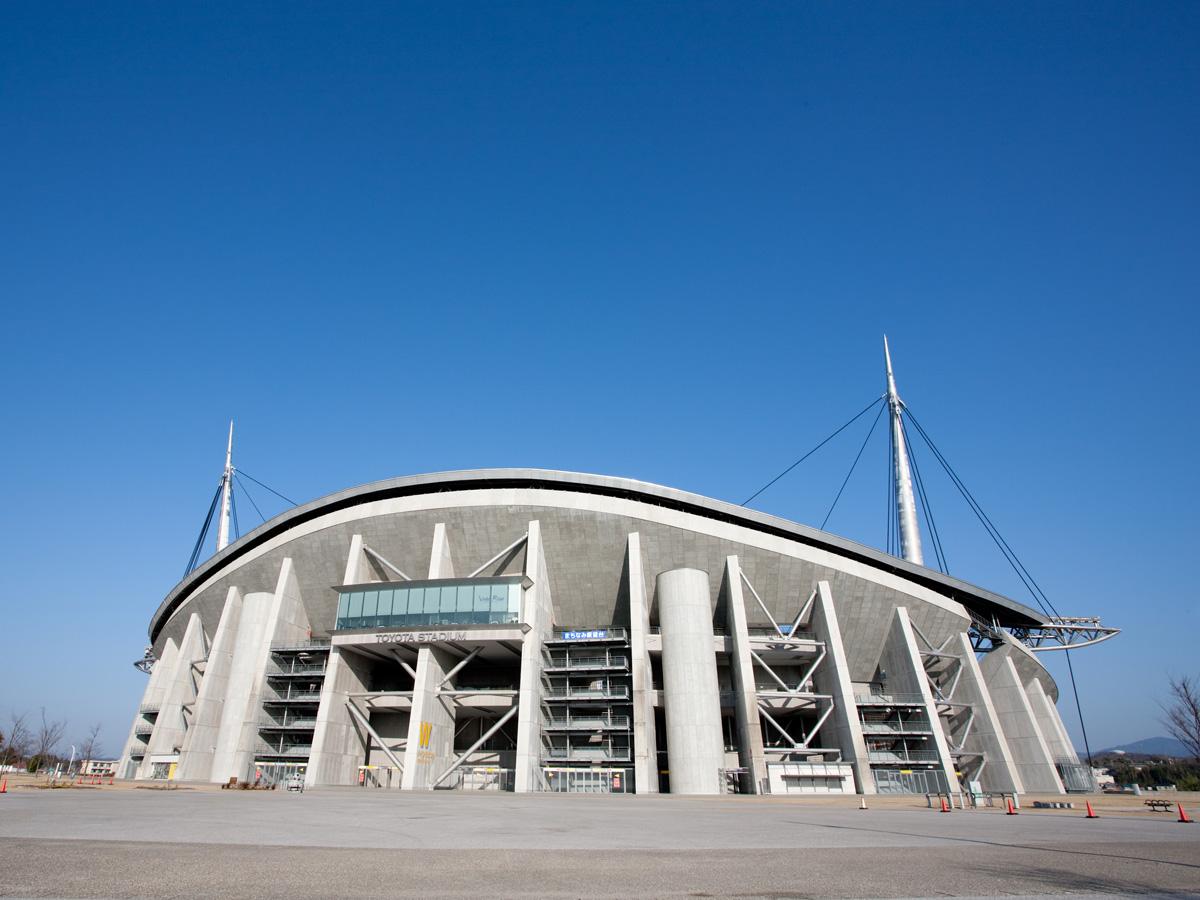
    豐田體育場和豐田大橋   
    設計 / 黑川紀章
    豐田大橋

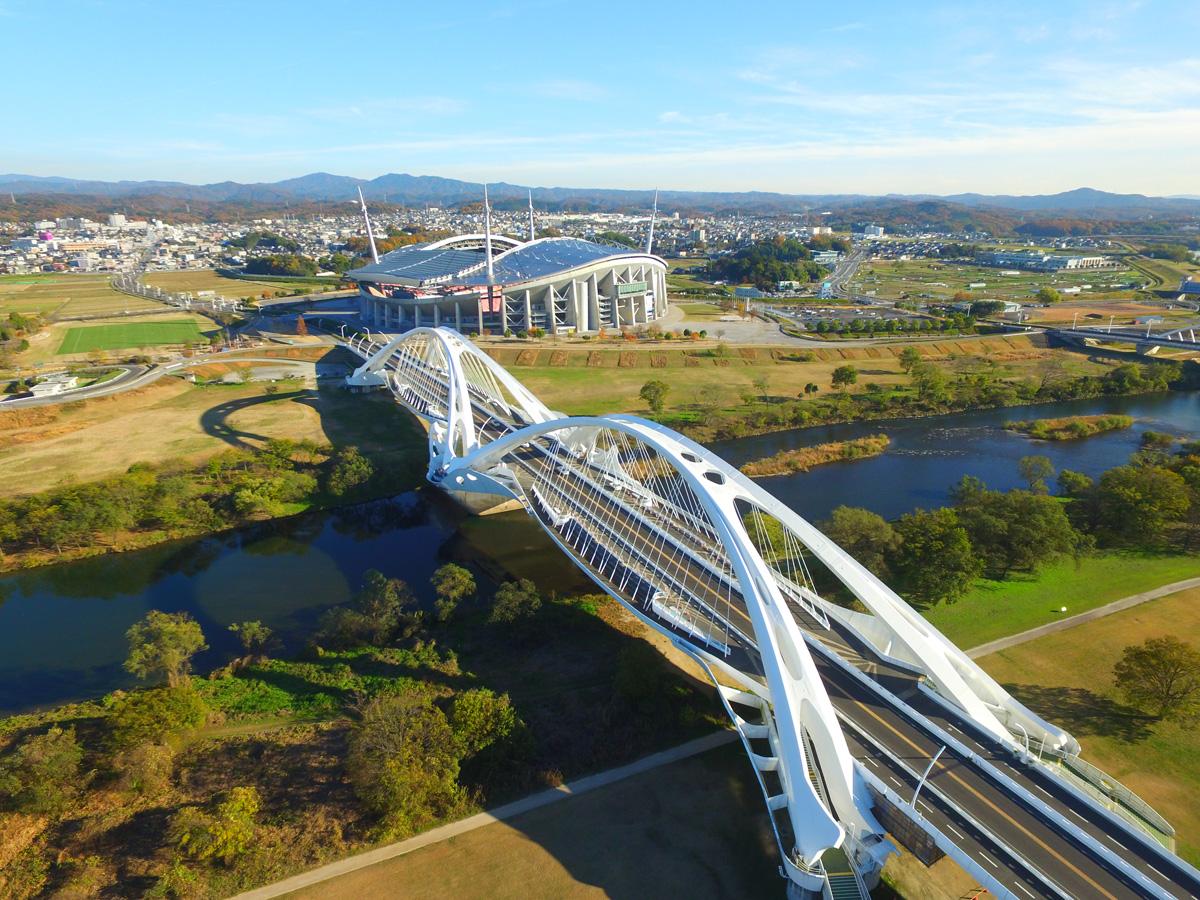
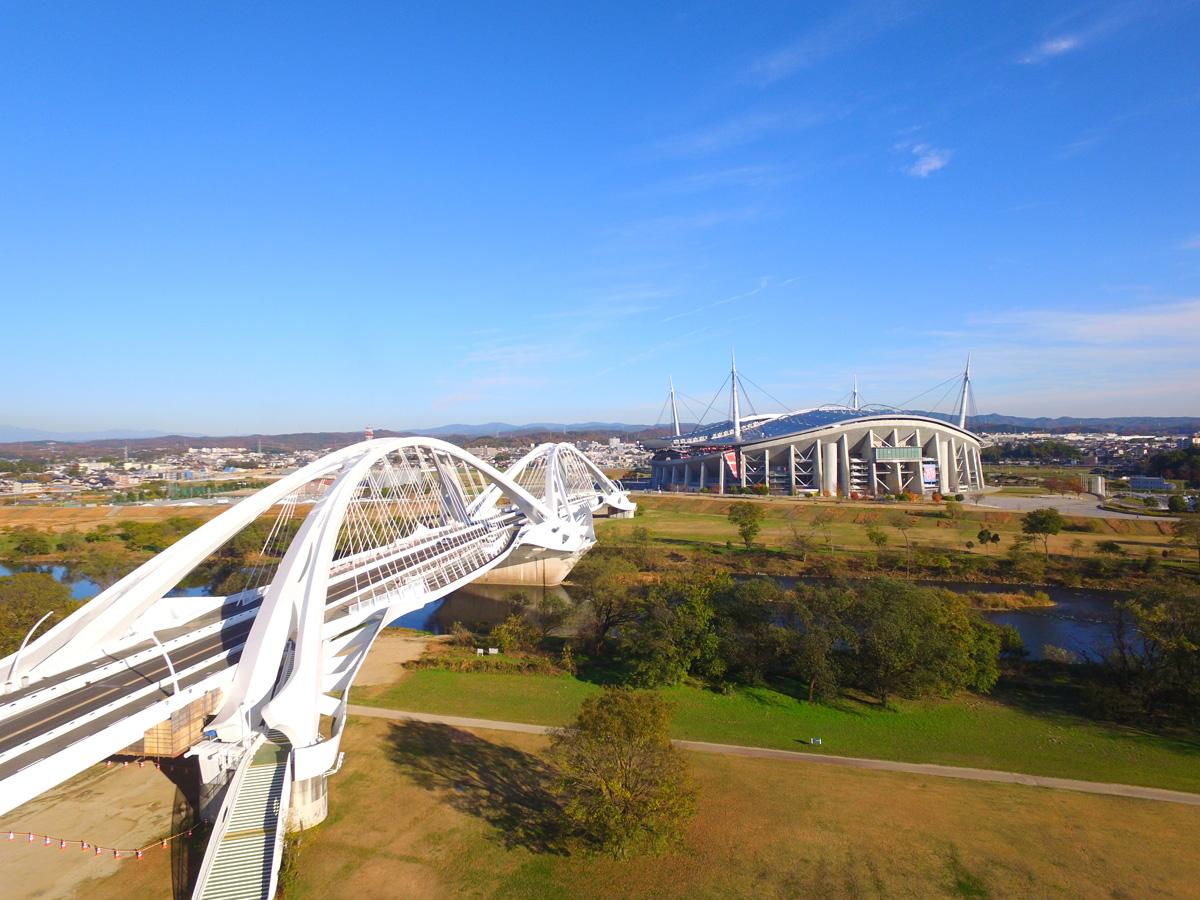
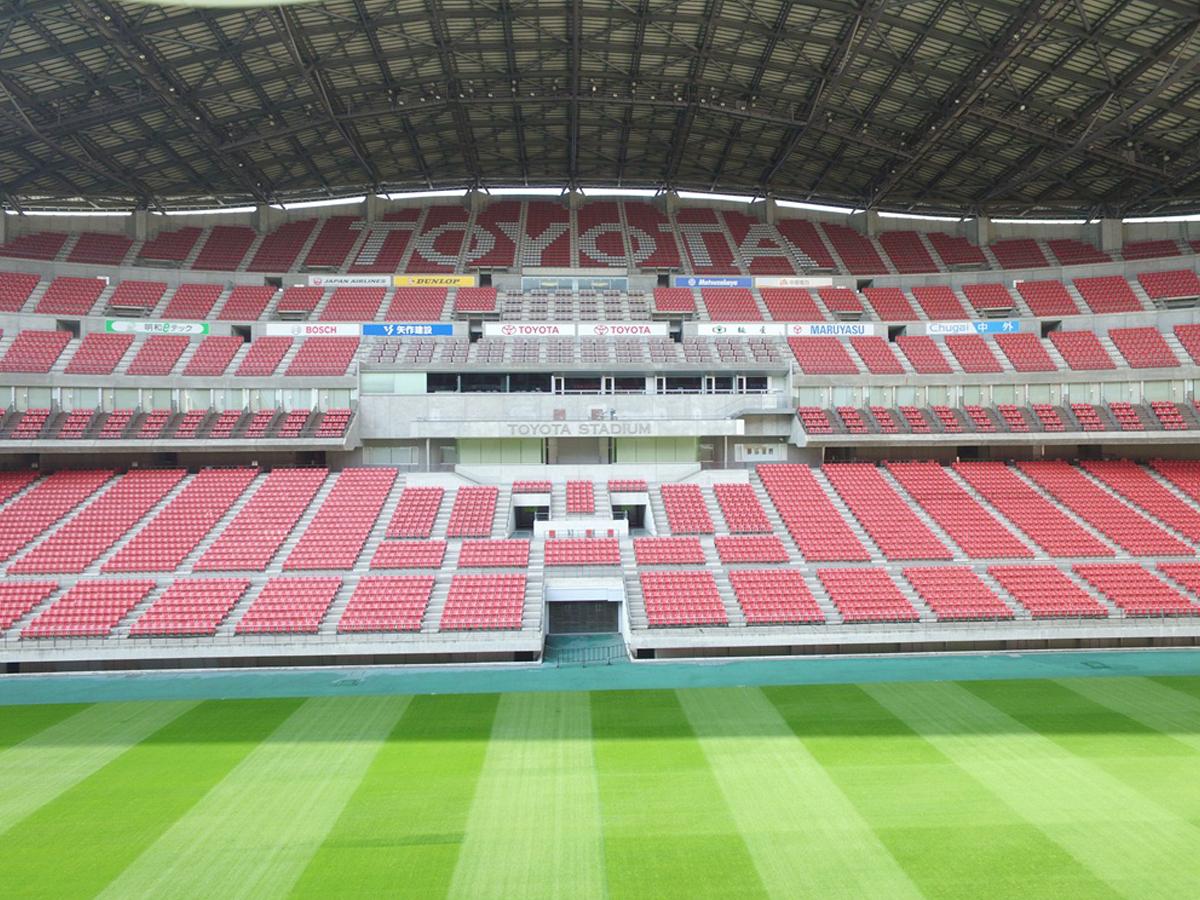
    黑川紀章(1934-2007)是日本建築業新陳代謝派的發起人,他設計了曾經的東京中銀膠囊大樓(2022年拆除)吉隆坡國際機場等多處地標建築。為紀念豐田建市50周年,黑川紀章設計了豐田大橋(1999年開通)和豐田體育場(2001年開放)。豐田大橋將豐田市中心和體育館連接起來,橋的弧度和體育館的屋頂相得益彰。豐田市內矢作川上橋樑還有拱形的平成紀念橋、久澄橋以及引人注目的矢作川橋(也叫豐田箭頭橋)。
    豐田市美術館   
    設計 / 谷口吉生
    豐田市美術館

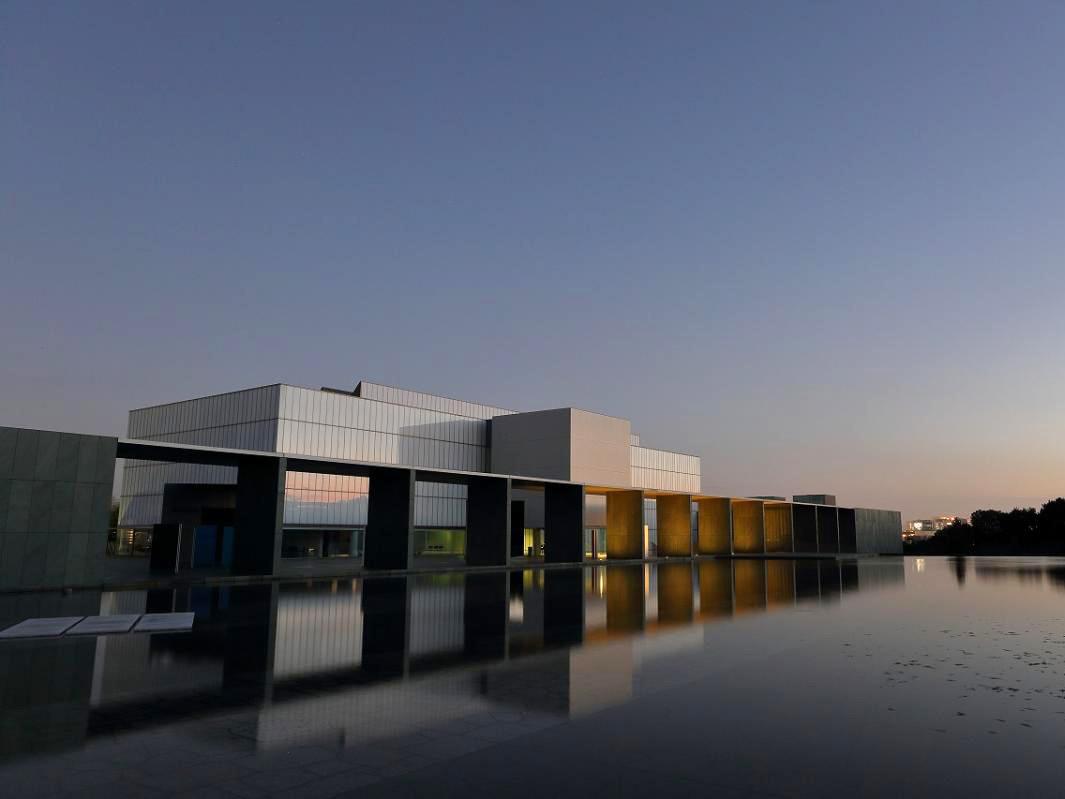
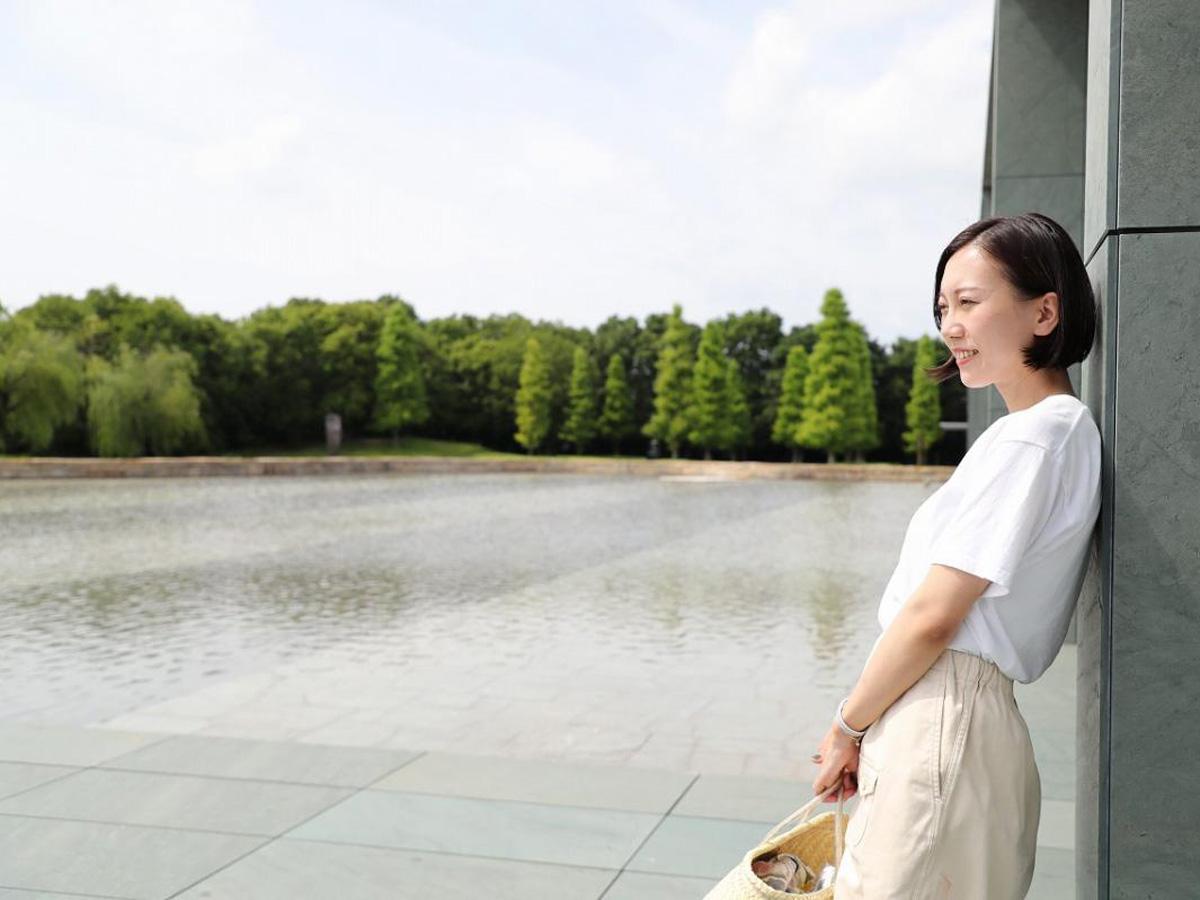
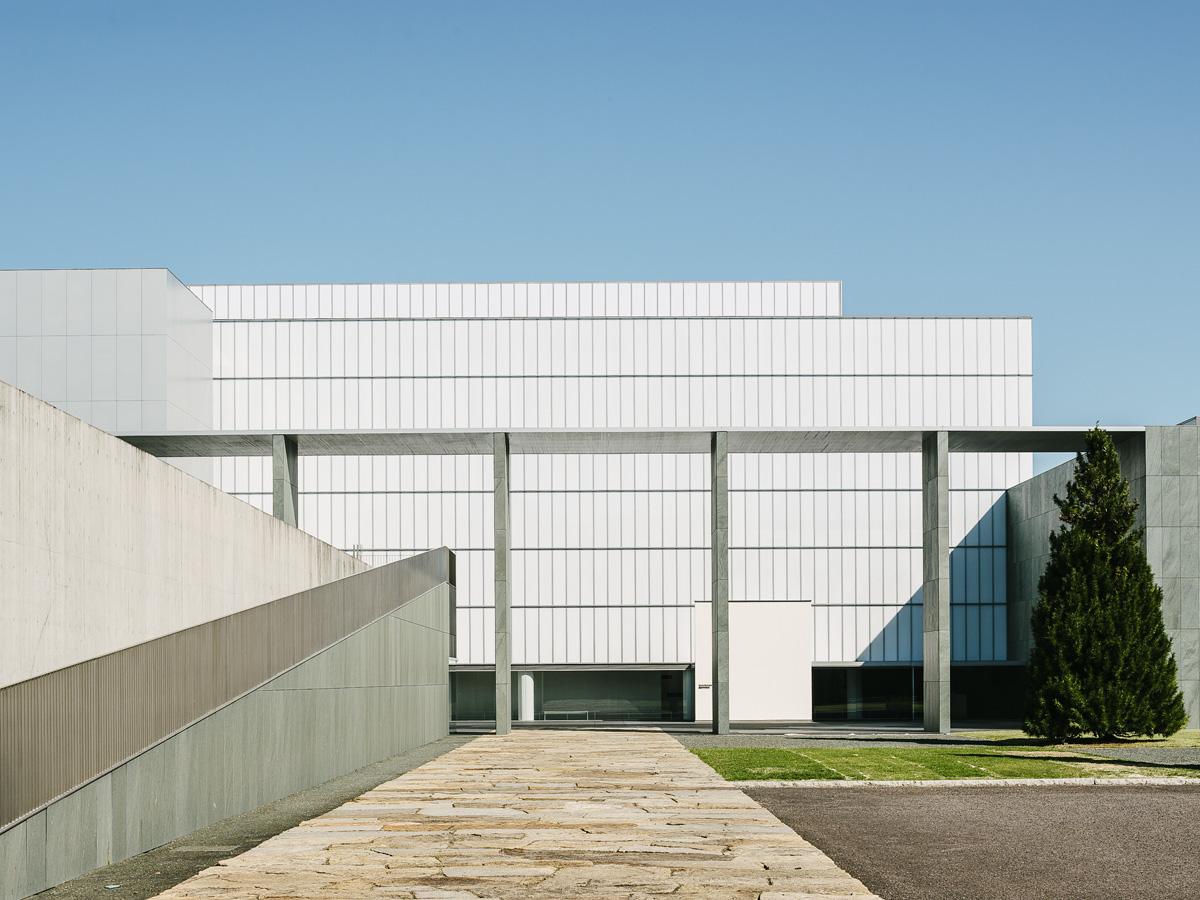
    1995年落成開放的豐田市美術館被譽為谷口吉生(1937- )最傑出的作品,此後他又主導了紐約現代藝術博物館(MoMA)的新館設計。谷口吉生表示,豐田市美術館的設計主旨是引導參觀者踏上一段「邂逅藝術,感動身心」之旅。
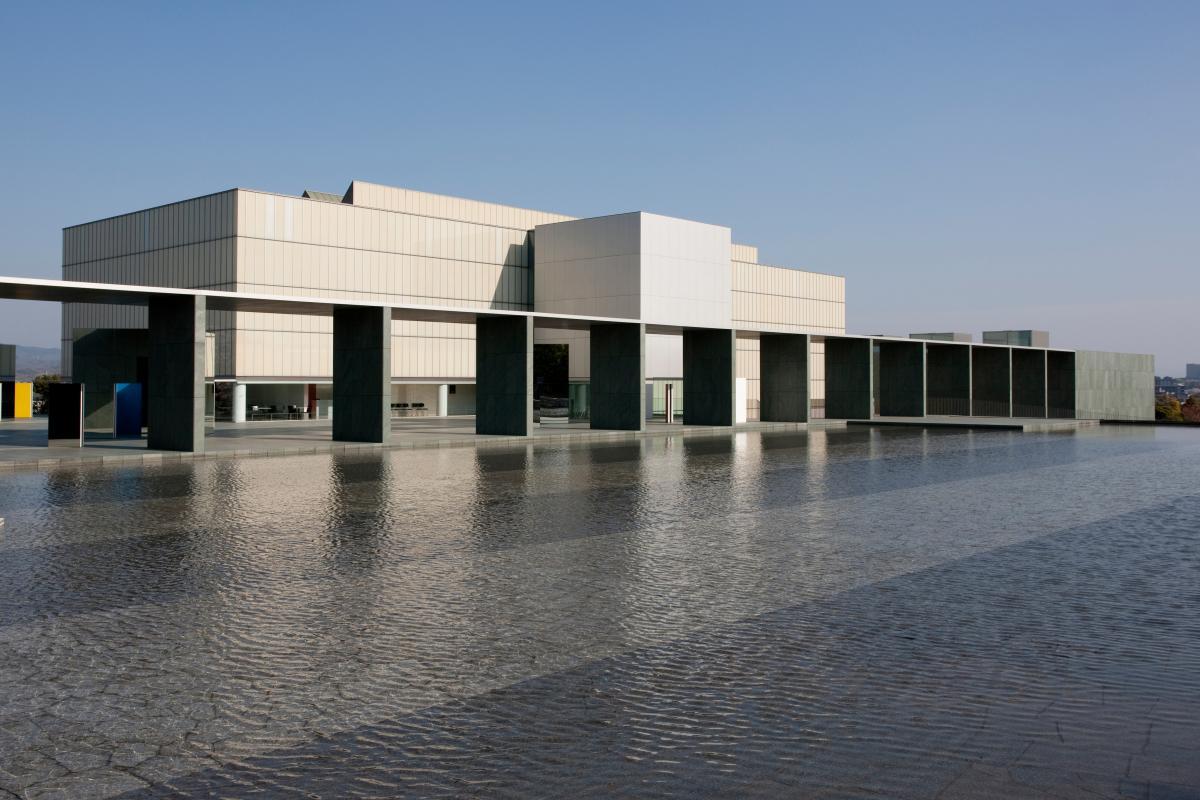
    這座現代建築本身就是一件藝術品。它矗立於山丘之上,可俯瞰整個城市景觀。與之相連的是一個露天平台,建有倒影池以及美國景觀設計師彼得·沃克(Peter Walker, 1932- )設計的雕塑庭園。美術館掩映在樹叢中,當參觀者徐徐步入時才顯露真容。內部空間設計目的在於向參觀者呈現逐步變換的光影環境,底層晦暗,上層則明亮開闊。
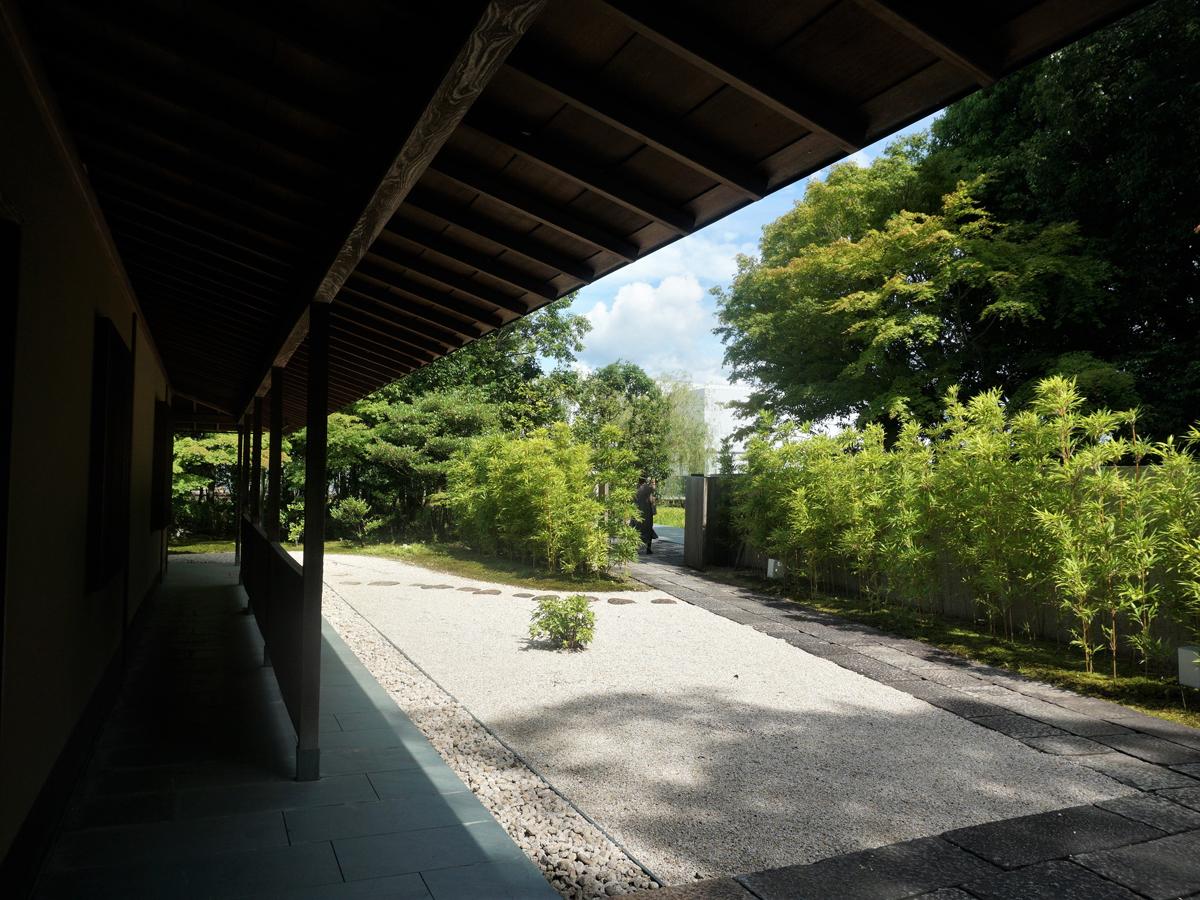
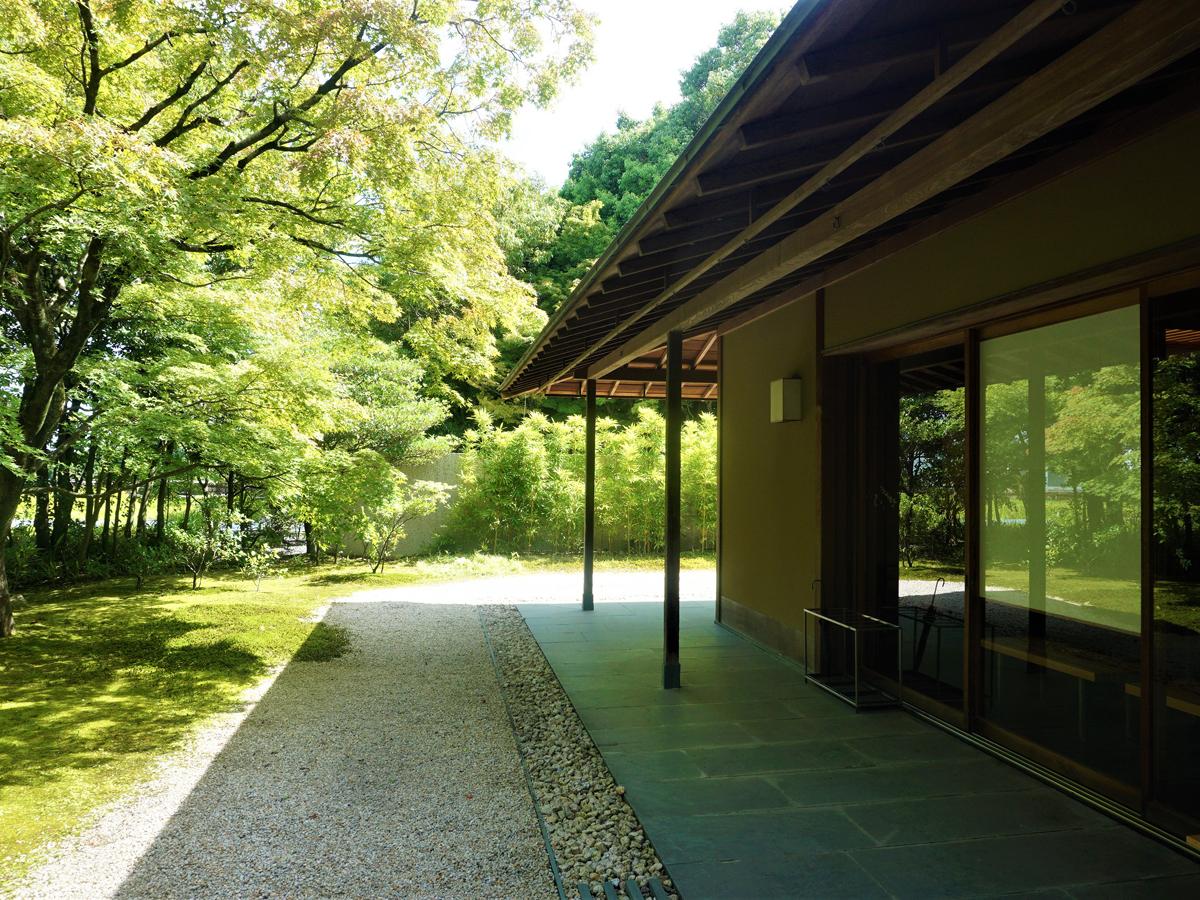
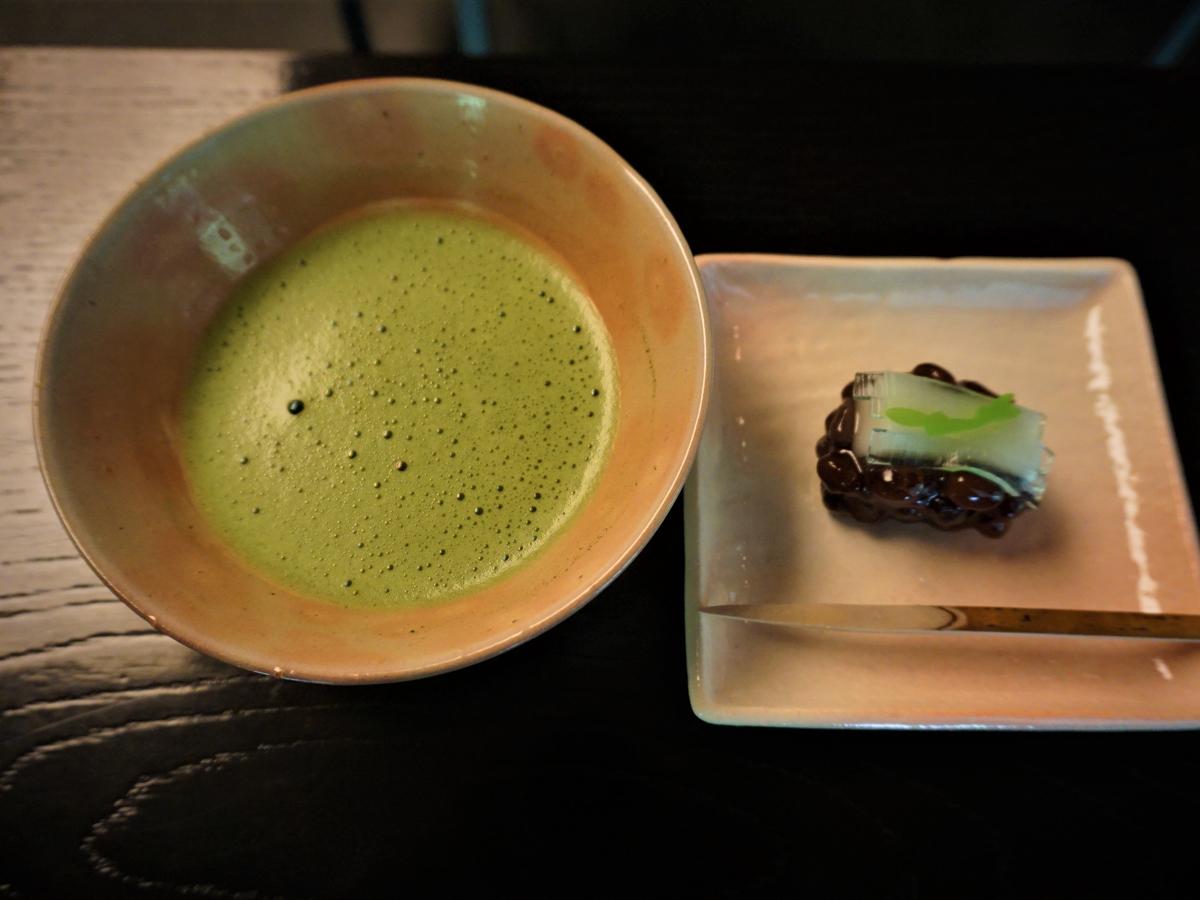
    位於美術館前庭西南角的童子苑茶室同樣是谷口吉生的作品,它的設計強調了日本傳統和現代建築的共性,如極簡主義、純淨的線條,以及對空間的靈活運用。
    高橋節郎館

    美術館的別館——高橋節郎館也是由谷口吉生設計,裡面展示的是先鋒漆畫家高橋節郎(1914-2007)的作品。
    豐田鞍之池紀念館
    設計 / 槙文彥
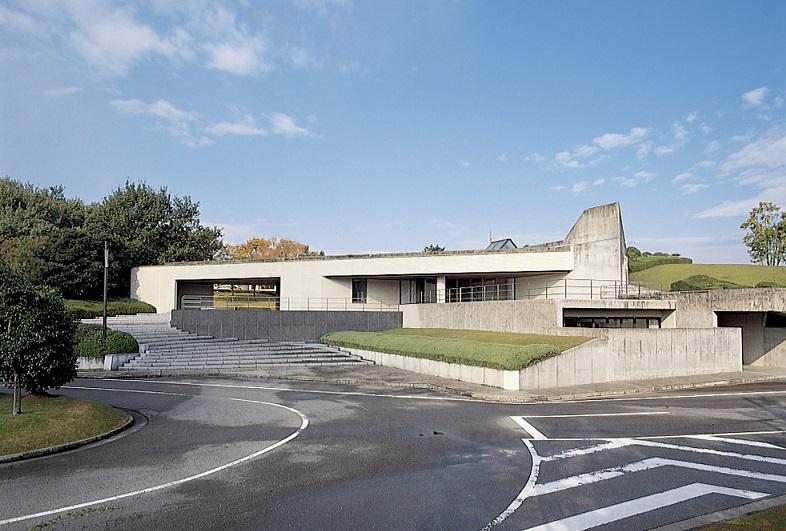
    具備現代主義建築風格的豐田鞍之池紀念館是一座展示豐田汽車公司歷史的博物館,建於1974年,設計師是槙文彥(1928- ),他以設計東京螺旋體大廈和舊金山市芳草地藝術中心而聞名。鞍之池紀念館坐落在鞍之池公園內,既是展示豐田汽車公司成就的榮譽殿堂,又可供VIP貴賓下榻。

    豐田喜一郎故居
    設計 / 鈴木楨次
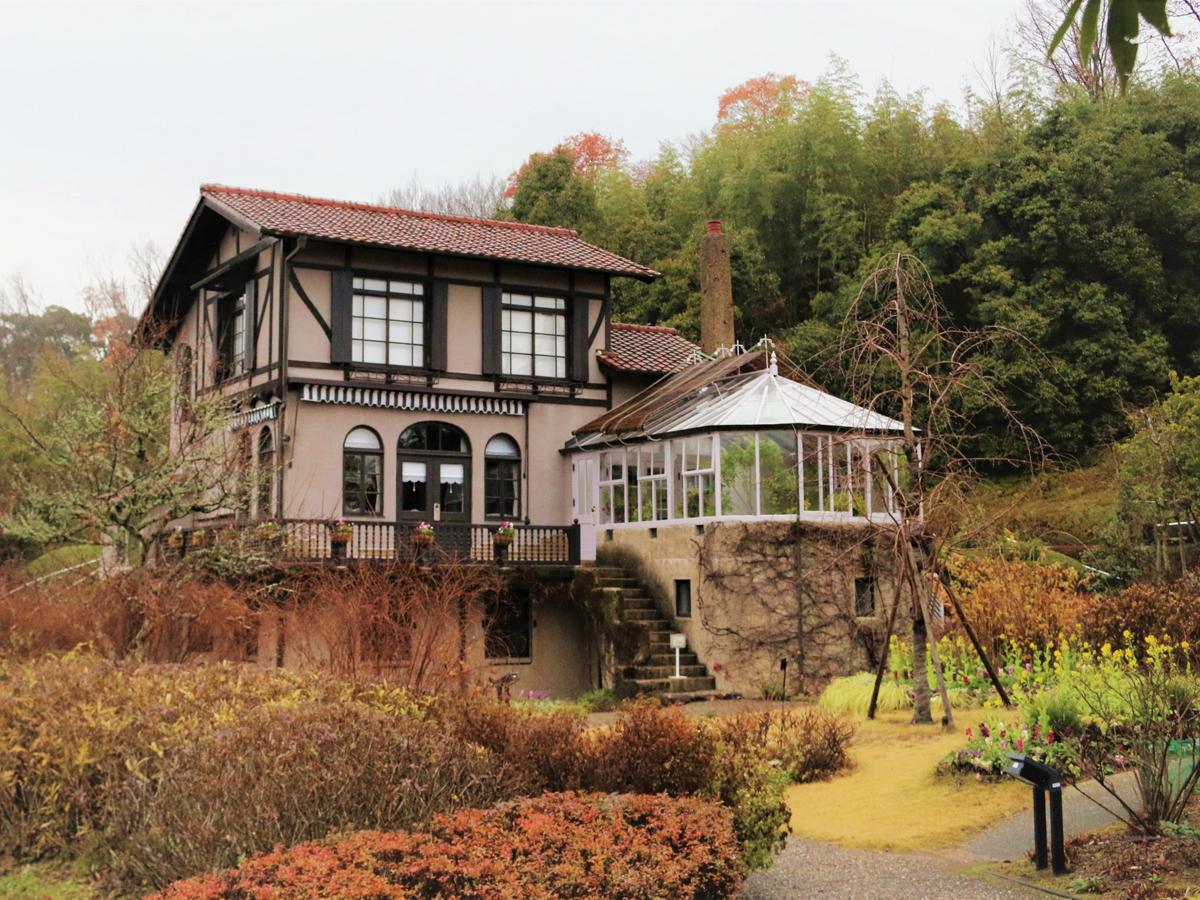
    紀念館隔壁就是豐田汽車的創始人豐田喜一郎(1894-1952)的故居,這棟建於1930年代的3層住宅融合了日本和西方元素,設計師是被譽為「名古屋現代建築之父」的鈴木楨次(1870-1941)。

    住箱(鞍之池公園)
    設計 / 隈研吾
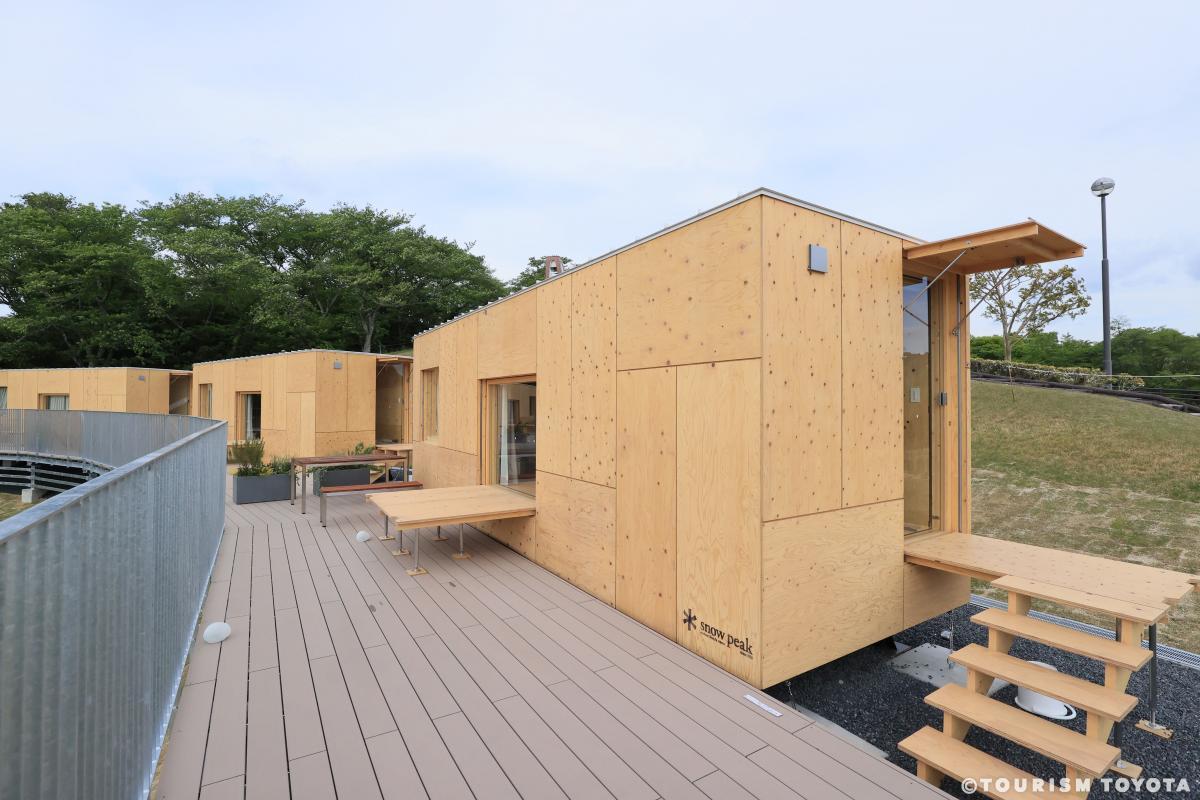
    鞍之池公園內還有5棟外觀小巧、內部奢華的長方形移動式住宿設施,它們是著名設計師隈研吾(1954- )的作品。隈研吾是東京新國立競技場和法國馬賽FRAC當代藝術中心的設計者。這些被隈研吾稱為「住箱」(jyubako)的房屋是全球「小房子運動」的一部分,也是與戶外活動裝備品牌「雪峰」(Snow Peak)的合作成果,意在探索如何最大限度地利用普通移動房屋的空間和舒適性。

    豐田市逢妻交流館   
    設計 / 妹島和世
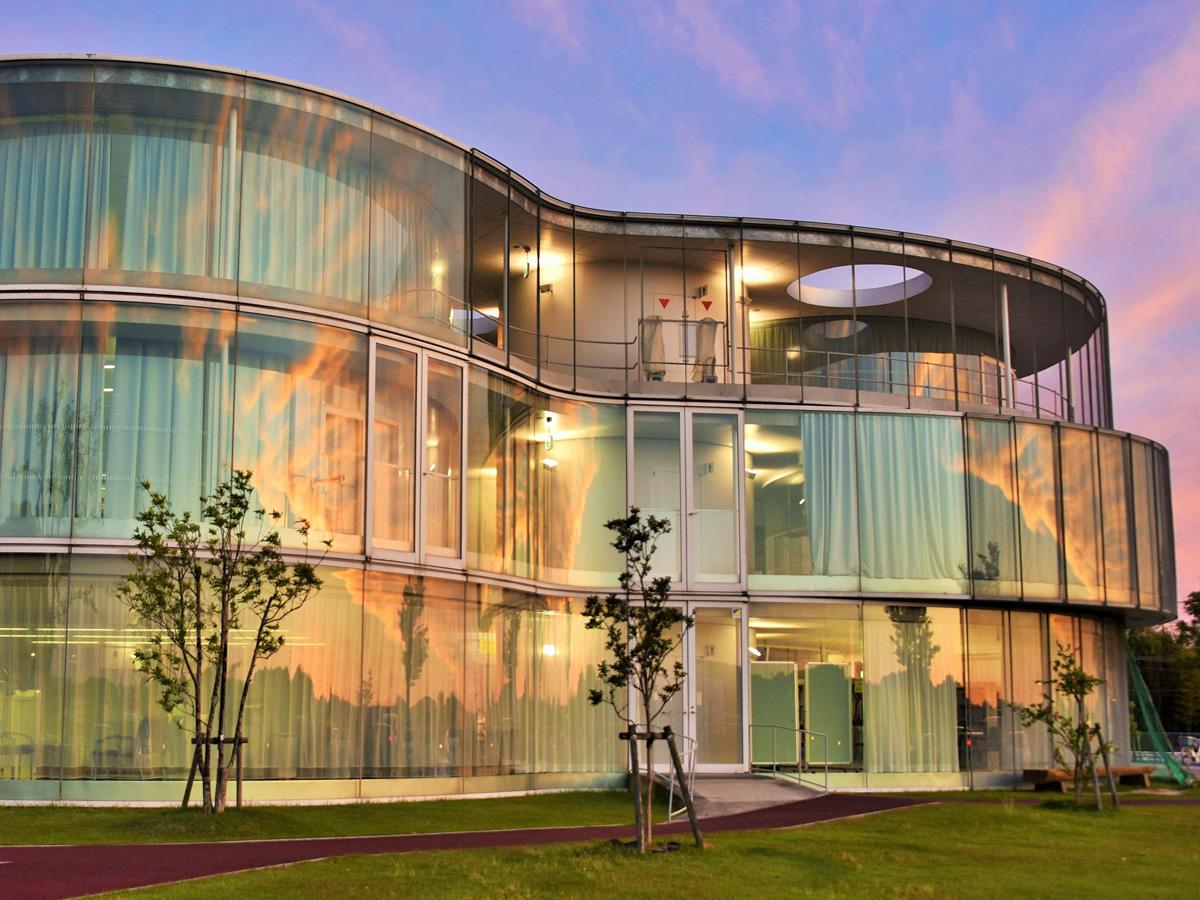
    豐田市逢妻交流館

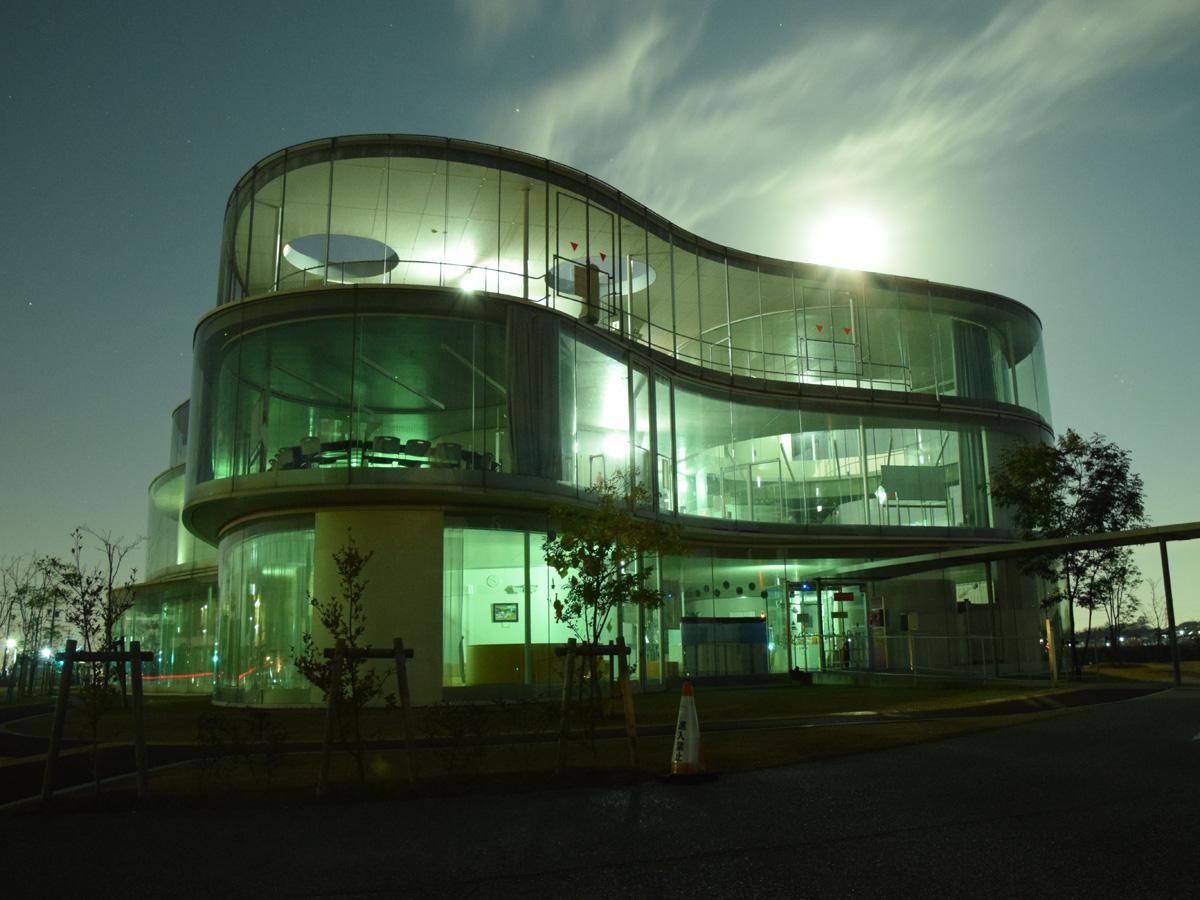
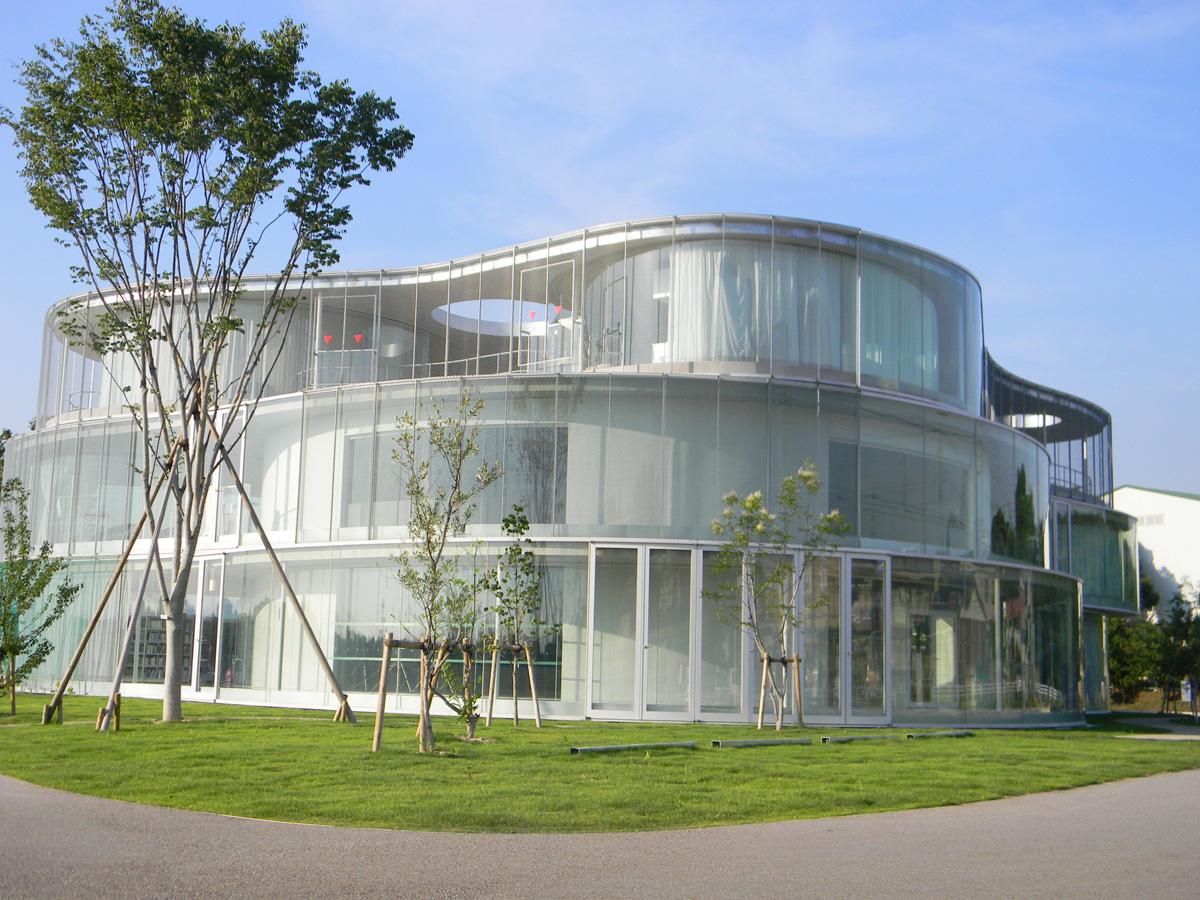
    豐田市逢妻交流館是一處社區活動中心,由妹島和世(1956- )設計。她創立的SANAA建築設計事務所曾經主持設計紐約新當代藝術博物館和金澤21世紀當代美術館。妹島和世還是獲得建築學最高榮譽普里茲克獎的第二位女性設計師(與SANAA的合夥人西澤立衛共同獲獎)。她設計的這座曲線建築最顯著的特徵是通透,所有會議室都裝有落地的大玻璃窗,使得室內室外的人能夠彼此看得見對方。
    Kirakutei

    Kirakutei

    Located within the grounds of the Toyota Sangyo Bunka Center, Kirakutei is a modern Japanese-style building from the late Taisho and early Showa periods. Formerly a restaurant and hotel, many famous guests stayed at Kirakutei, among them politician Korekiyo Takahashi, Prince Takamatsu, and actress Yaeko Mizutani.
    400-year-old pine trees from Shiyogenji Temple in Toyota City's Hirokawa-cho were used as construction materials, while the roof tiles carved with the characters for "kiraku" are said to have been handcrafted by tile master Tsuzuki from Toyota City's Ichigi-cho.

    Toyota City Folk Craft Museum

    Toyota City Folk Craft Museum

    The First Folk Craft Hall was constructed from part of The Japan Folk Crafts Museum in Komaba, Tokyo established by Dr. Muneyoshi Yanagi, the founder of the Japanese Folk Craft Movement.
    With the support of Shizuo Honda, industrialist, scholar of ancient ceramics, and honorary citizen of Toyota City, the city acquired and opened the museum in 1983. In coordination with the changing seasons at Hiratobashi Park, the museum plans exhibitions four times per year where visitors are able to come in contact with delightful handiwork and the origins of craftsmanship.

    Sanshu Asuke Yashiki Museum

    Sanshu Asuke Yashiki Museum

    Sanshu Asuke Yashiki Museum is a living folk culture museum that first opened in 1980. A recreation of the former villa of a wealthy farming family, the rear house, main house, and bamboo house feature a thatched-roof, wooden construction. Here, ten different handicrafts that were once a part of mountain life in this region such as charcoal making, papermaking, woodworking, and weaving are demonstrated by artisans.

    Also Recommended!
    Two Other Popular Spots You'll Want to Visit!

    Toyota City Concert Hall

    ◆Toyota City Concert Hall

    On the 10th floor of Toyota Sangohkan is Toyota City Concert Hall, a dedicated music hall that boasts a warm, natural space of marble and wood.
    In the front part of the hall is a pipe organ built in the North German Baroque style. A symbol of the concert hall, this organ reverberates with a magnificent tone quality.

    Toyota City Nohgakudo

    Toyota City Nohgakudo

    On the 8th floor of Toyota Sangohkan is Toyota City Nohgakudo, with a gabled-roof stage made completely of Japanese cypress wood that will transport you to the world of classical Japanese performing arts.
    Designed to resemble the stages of the Momoyama period, this theater is used not only for Noh and Kyogen plays, but also for other traditional performing arts such as Japanese music played on the koto, shamisen, and shakuhachi or Japanese dance.